Geological age ~450 Mya Ordovician shale and limestone (Kope Formation).
Epoch Late Ordovician (Cincinnatian Series).
Native lands Shawnee (Shawanwaki) · Myaamia (Miami) · Adena and Hopewell moundbuilder cultures; Cincinnati area a major nexus of Shawnee and Miami territory; Fort Washington established 1789 as U.S. military base on Shawnee lands; Shawnee and Miami among signatories ceding southern Ohio via Treaty of Greenville 1795 following Battle of Fallen Timbers 1794.
Displacement & Tenure Cession 11: Treaty of Greene Ville (1795); the Langland family held the property from their original 266-acre farm purchase in 1822; Margaret Parker and her children sold the initial 27.5 acres to the City of Cincinnati in 1911 for $41,233.50, with the park named for Alexander Langland Parker; a second parcel added in 1953.
Shadow History The park sits adjacent to the Mill Creek watershed, which a 1996 assessment found to contain three Superfund sites on its banks, 31 other hazardous waste sites, and 158 combined sewer overflow outflows; EPA conducted a buried-drum hazardous waste removal on the West Fork Mill Creek in South Cumminsville in 2004; no contamination record specific to the Parker Woods parcel has been located, though the Mill Creek corridor has been among the most industrially contaminated urban streams in the Midwest.
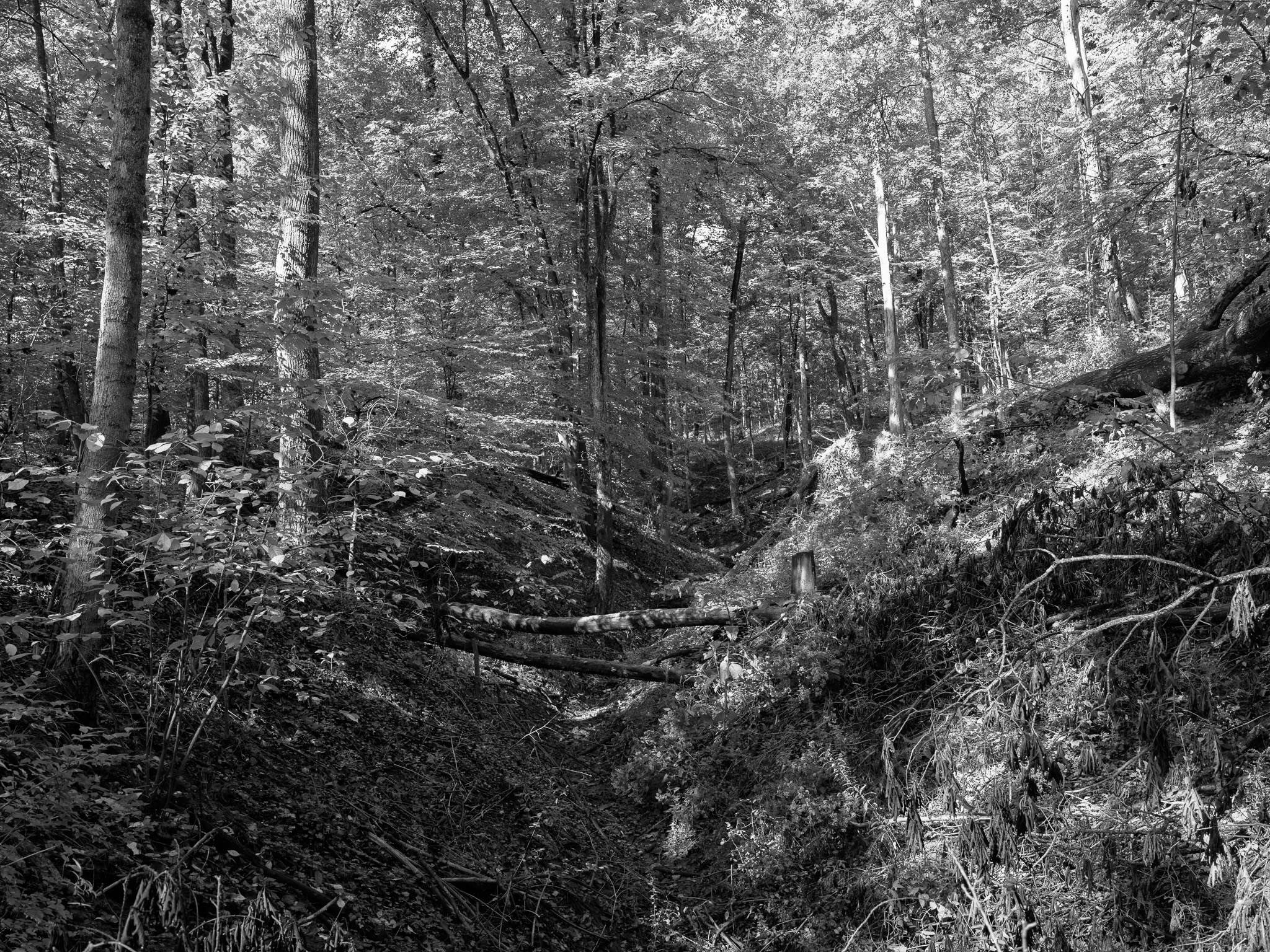
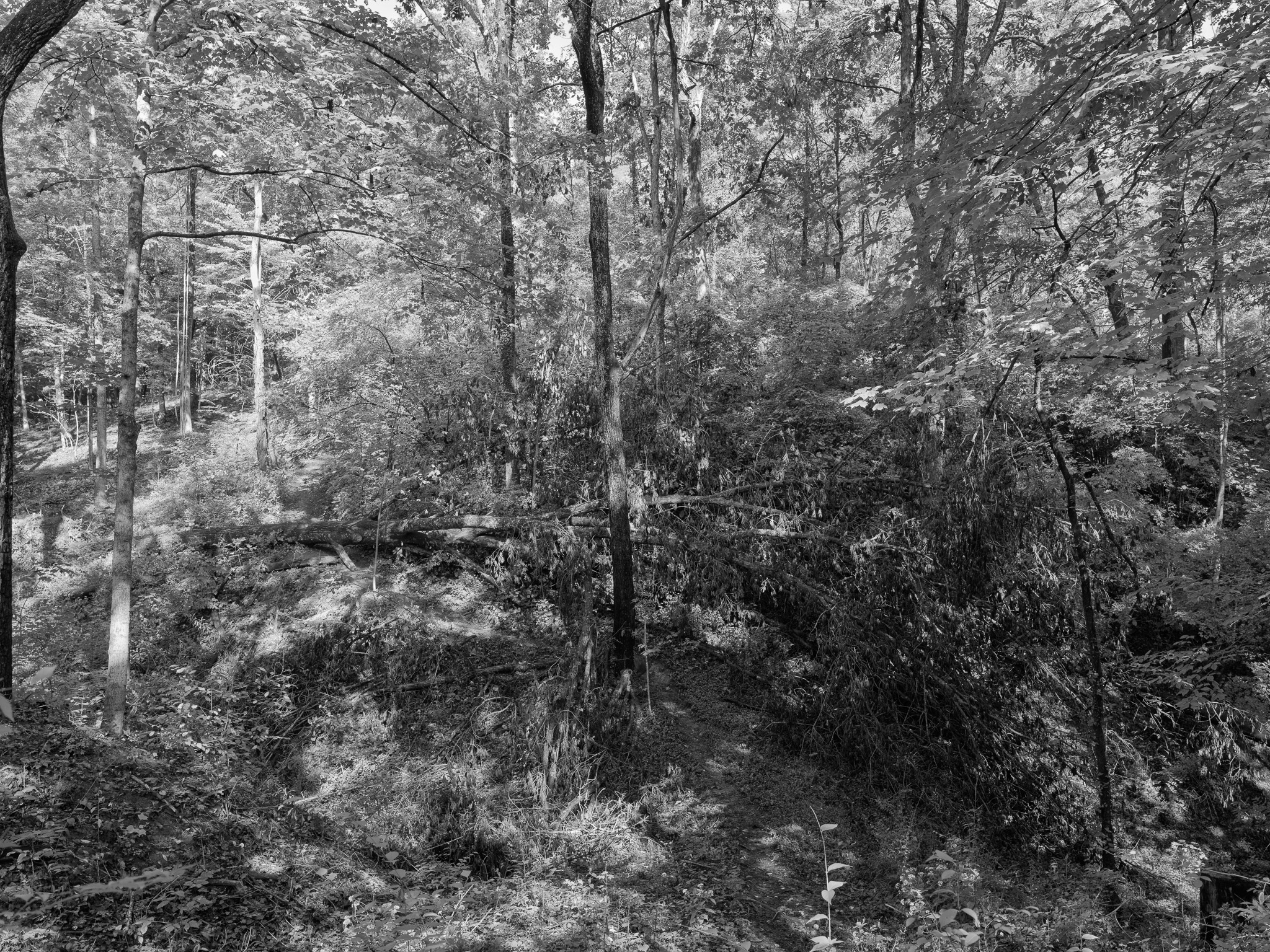
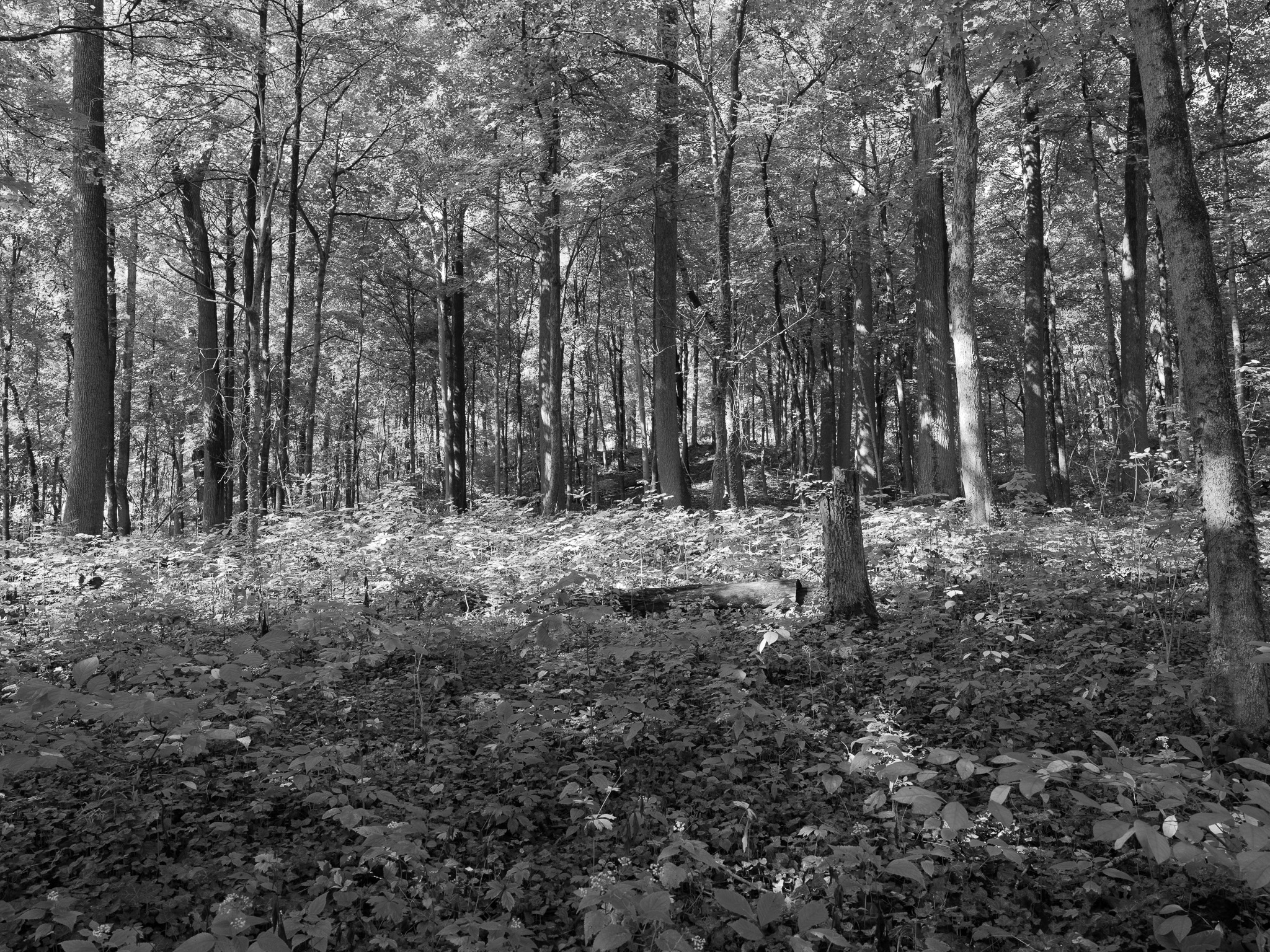
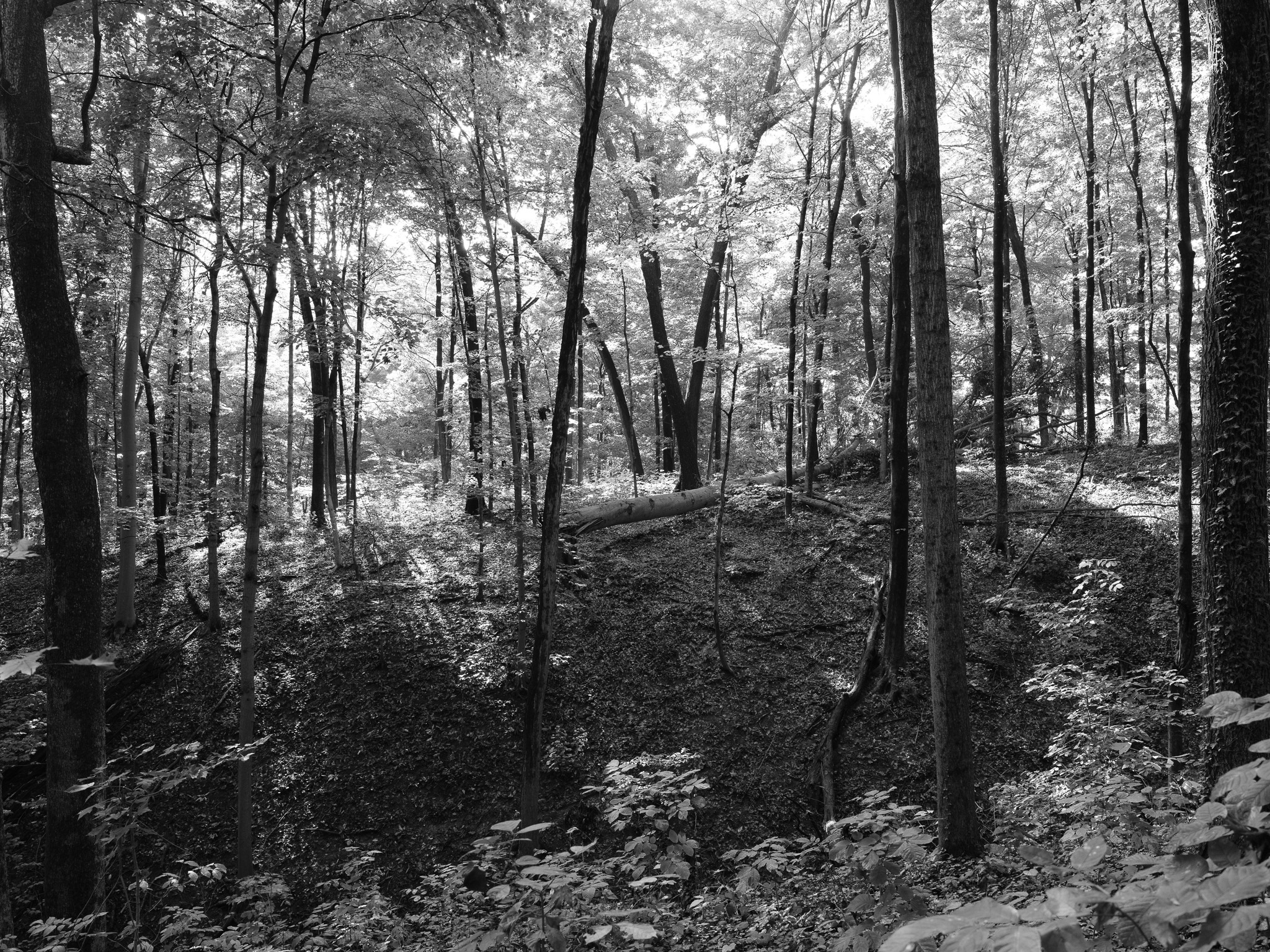
Ecology Mature mixed mesophytic forest dominated by sugar maple, white oak, and American beech; spring ephemeral wildflowers; active removal of invasive bush honeysuckle and Tree-of-Heaven underway.
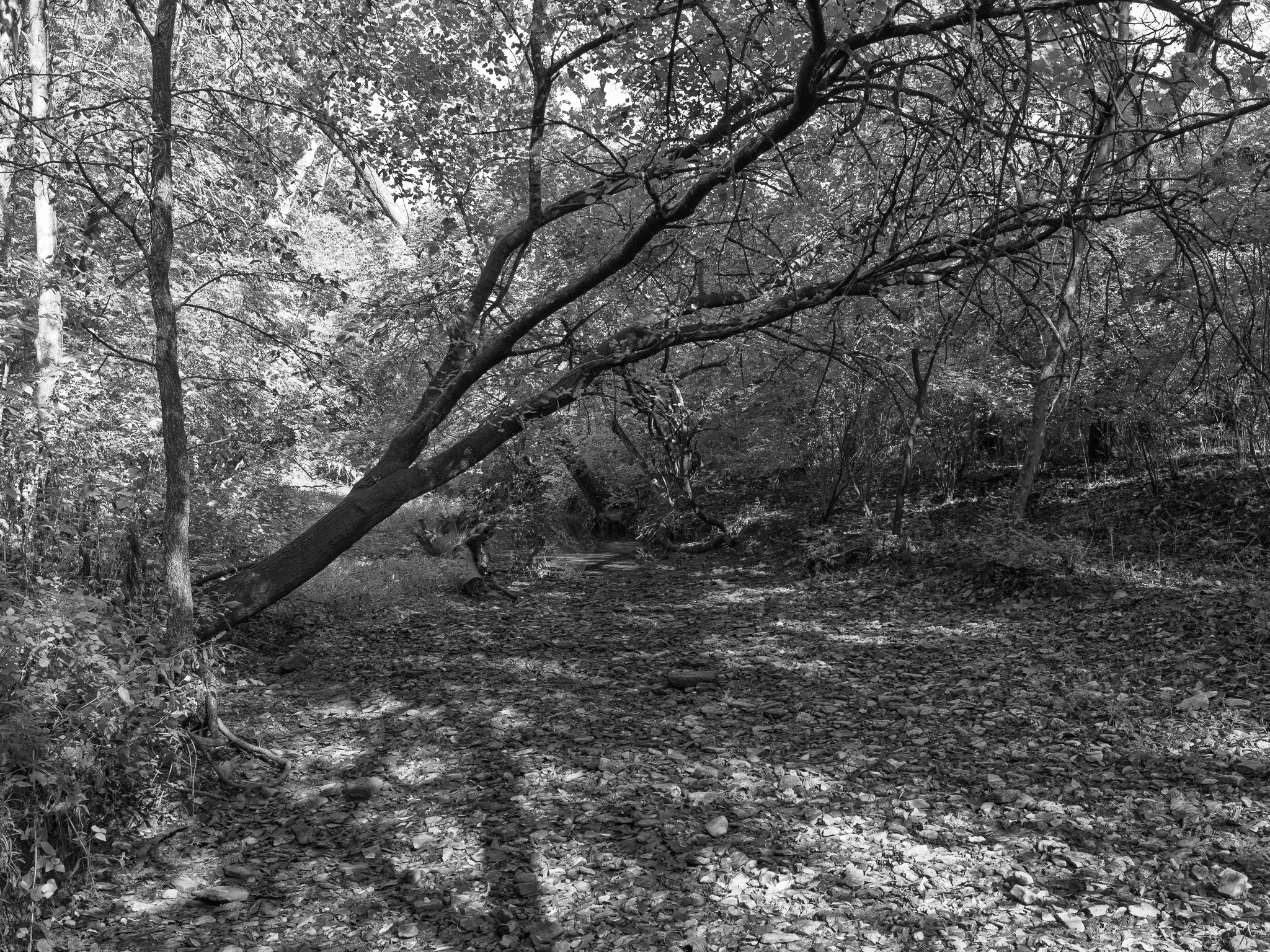
Hydrology Mill Creek watershed; drains to West Fork Mill Creek, a tributary flowing through Northside Cincinnati to Mill Creek and the Ohio River; steep ravine topography characteristic of Kope Formation hillsides.
Acreage ~63 acres
GPS 39.1709° N, 84.5348° W
Parker Woods I · 2025-09-26
_DSF0040.jpg
View all 6 images
← Clifton Gorge State Nature Preserve
Glen Helen Nature Preserve →
Public Lands Institute — ongoing project
CC0 Public Domain