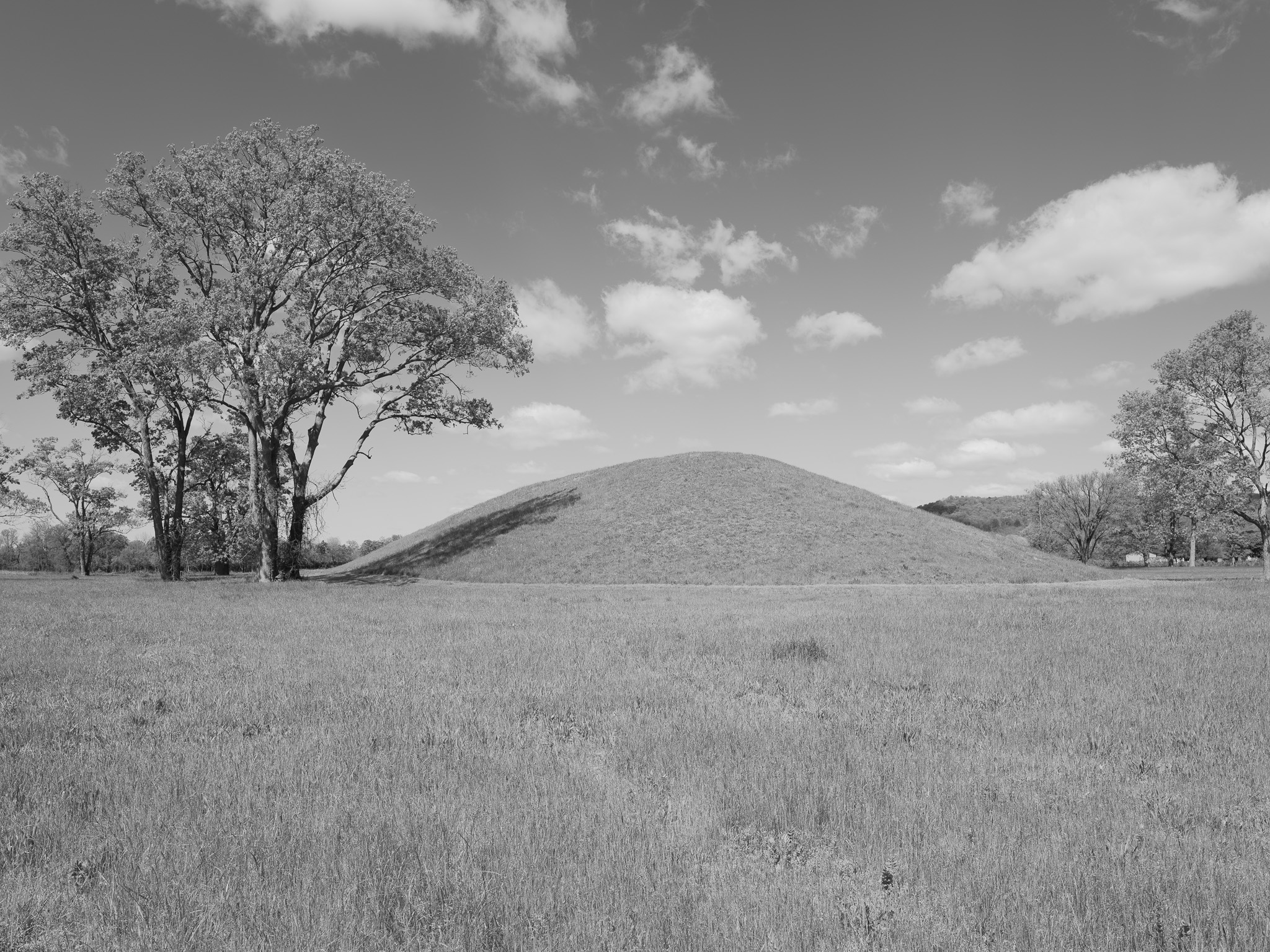
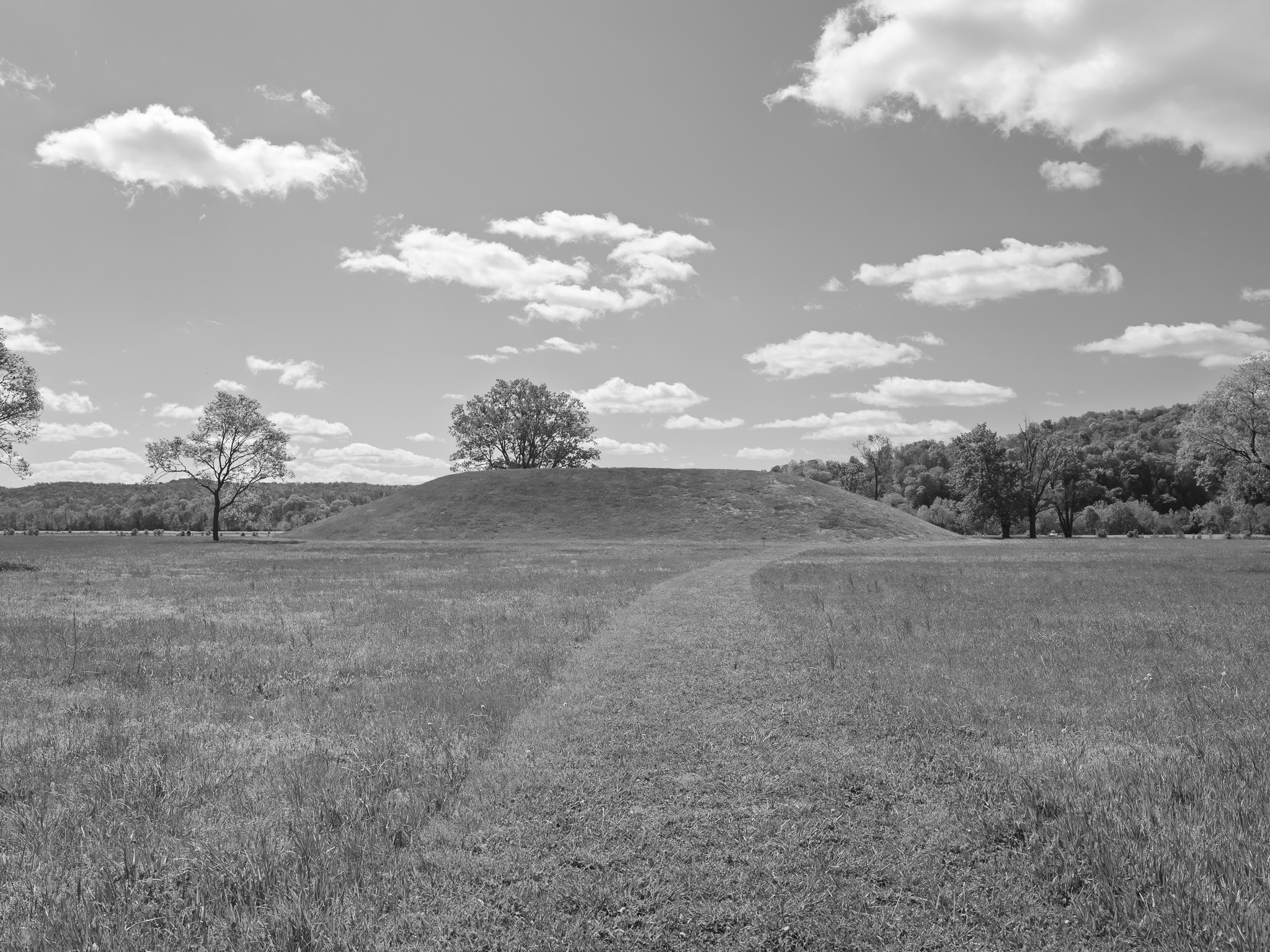
Geological age ~425 Mya Silurian dolomite (Peebles Dolomite, Tymochtee Dolomite); earthworks constructed on Pleistocene glacial outwash terrace above Paint Creek at the maximum extent of both the Illinoian and Wisconsinan glacial advances.
Epoch Late Silurian (Ludlovian).
Native lands Adena (c. 1000 BC-100 AD) and Hopewell (c. 200 BC-500 AD) cultures; Seip lies within the densest 20-mile corridor of Hopewell monumental earthworks on the continent, running from Bainbridge to Chillicothe along the Paint Valley; Chalahgawtha (principal-town) division of the Shawandasse Tula (Shawanwaki/Shawnee) held the Paint Creek valley as the principal Shawnee territorial corridor; documented Chalahgawtha town at Frankfort on Paint Creek in Ross County; Myaamia (Miami) co-held south-central Ohio; Shawnee and Miami lands ceded via Treaty of Greene Ville (August 3, 1795), Article 3 boundary and Article 4 relinquishment; Shawnee removed west via Treaty with the Shawnee 1831 under Indian Removal Act 1830.
Displacement & Tenure Ceded via Treaty of Greene Ville (1795); Paxton Township lands entered private agricultural ownership under the Virginia Military District land grant system; site farmed throughout the 19th century and embankment walls leveled to approximately 10% of their original extent by agricultural plowing; Ohio Historical Society archaeologist William Mills excavated 1906-1909 under agreement with the private landowner; site donated to Ohio Historical Society by landowner James Seip 1923; added as an authorized unit of Hopewell Culture National Historical Park via Public Law 102-294 (May 27, 1992); full deed transferred to National Park Service October 10, 2014.
Shadow History William Mills (Ohio Historical Society) excavated three conjoined mounds at Seip 1906-1909, removing 48 burials and artifacts including copper, mica, bone, shell, and pearl objects to the Ohio State Museum in Columbus; Henry Shetrone and Emerson Greenman (Ohio Historical Society) excavated the main Seip Mound over three field seasons 1925-1928, removing 122 burials and elaborate grave goods including Isle Royale copper objects, Carolina mica sheets, five Tennessee effigy pipes known as the Great Pipes, woven milkweed-fiber textiles with preserved geometric designs, and thousands of freshwater pearl beads from a log-lined crypt, all transferred to museum collections in Columbus; farming throughout the 19th and early 20th centuries leveled embankment walls to approximately 10% of their original height before Ohio Historical Society acquisition; earthworks not under full federal protection until NPS deed transfer in 2014; LiDAR analysis has documented old stream channels cutting into original earthwork boundaries, indicating centuries of unmitigated flood erosion.
Ecology Restored native tallgrass prairie within earthwork enclosures featuring big bluestem (Andropogon gerardii), switchgrass (Panicum virgatum), and Indiangrass (Sorghastrum nutans); reconstructed mound maintained as managed turf; riparian floodplain woodland edge along Paint Creek; 438 vascular plant species in 281 genera and 93 families documented across Hopewell Culture NHP units, representing 17% of Ohio's total flora; Ohio state-listed Spiranthes ovalis (oval ladies'-tresses) and Eleocharis ovata (ovate spike-rush) documented within the park.
Hydrology North bank of Paint Creek, a 94.7-mile tributary of the Scioto River draining 1,143 sq mi of south-central Ohio; site situated on Pleistocene glacial outwash terrace immediately adjacent to the Paint Creek floodplain near Bainbridge in Paxton Township, Ross County; LiDAR analysis has documented erosion of earthwork boundaries by old Paint Creek channels; Paint Creek Lake upstream moderates downstream flooding; Paint Creek and Rocky Fork Creek designated Ohio State Scenic Rivers 2021.
Acreage 121
GPS 39.2417° N, 83.2214° W
Seip Earthworks I · 2026-04-20
_DSF1388.jpg
View all 8 images
← Red River Gorge Geological Area
Rocky Fork State Park →
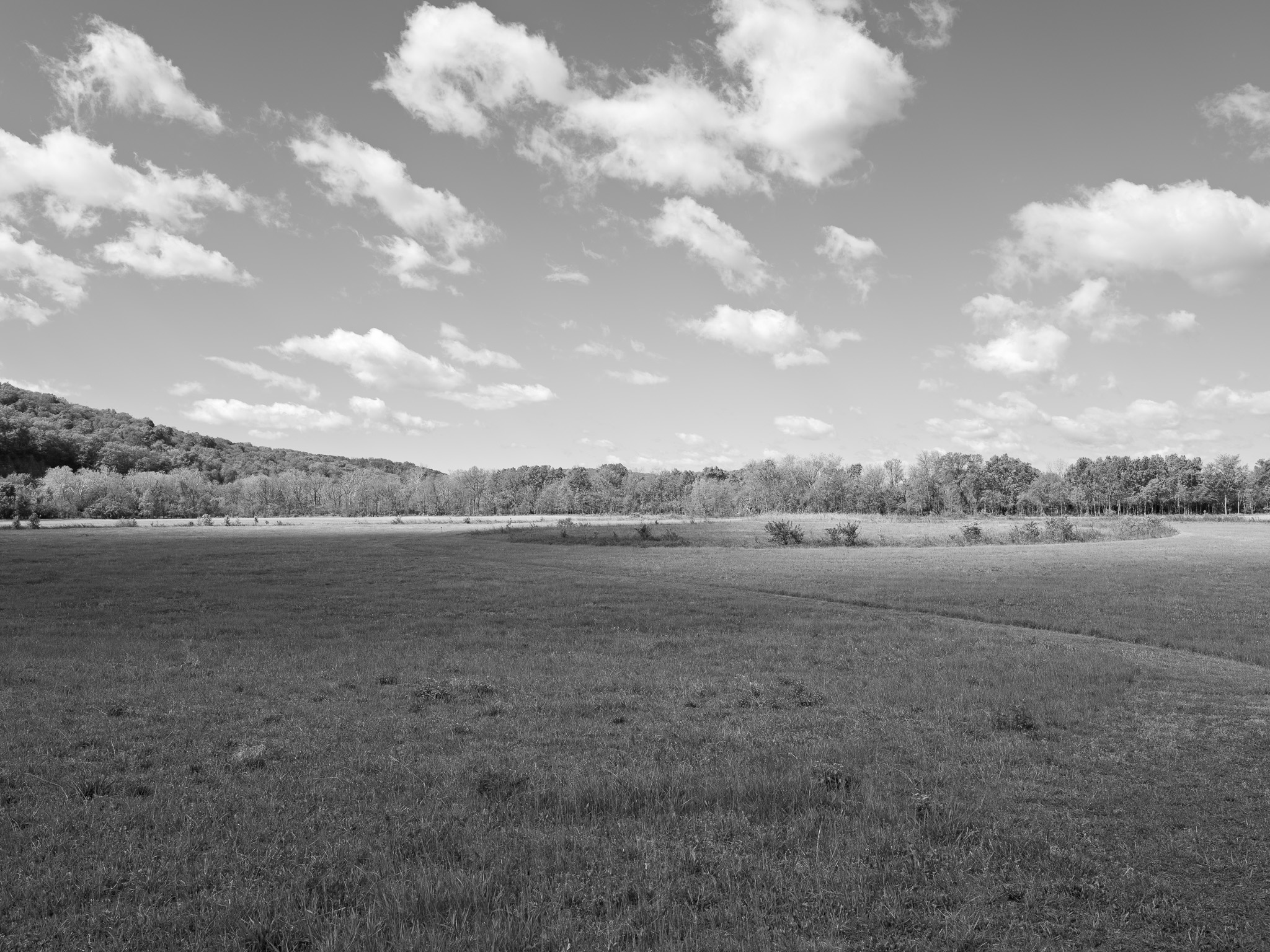
Public Lands Institute — ongoing project
CC0 Public Domain