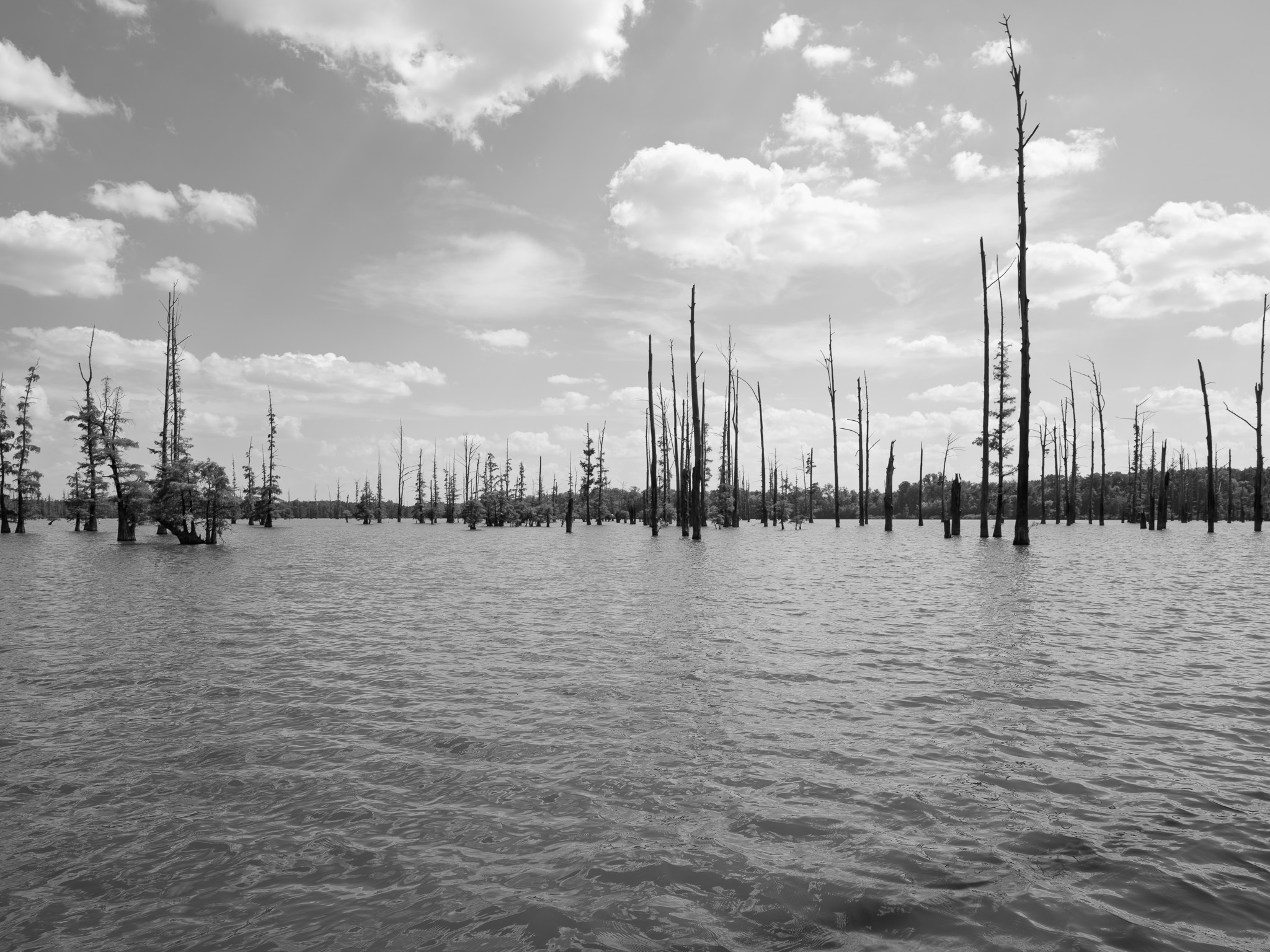
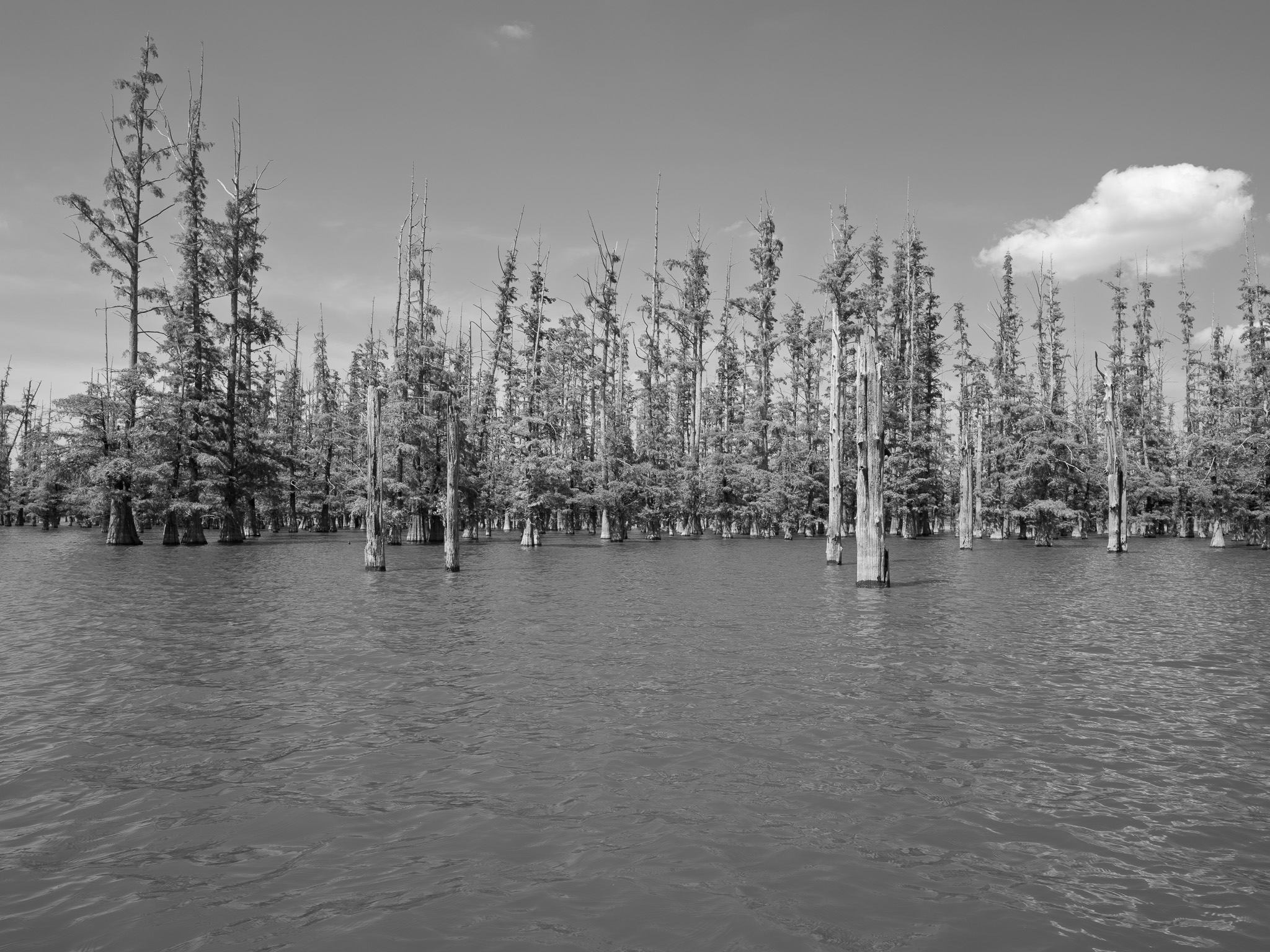
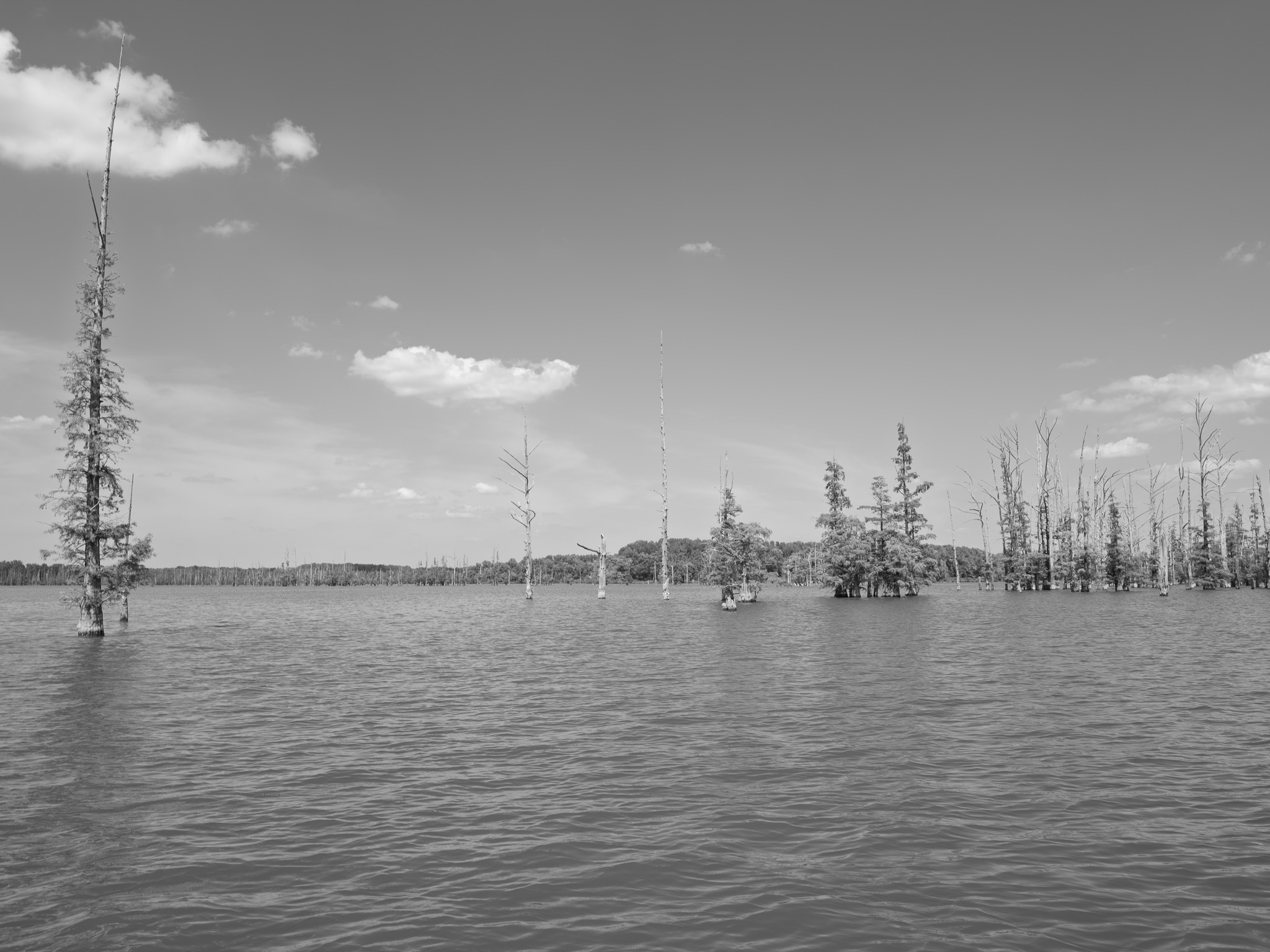
~300 Mya Pennsylvanian bedrock (Shelburn, Patoka, and Bond Formations) buried beneath Wisconsinan-to-Holocene Ohio River alluvium; the lake itself an oxbow cut into the valley-fill sand, gravel, and silt.
Epoch
Pennsylvanian bedrock; Late Pleistocene to Holocene surficial deposits
Myaamia (Miami) · Piankeshaw (Peeyankihšiaki), a Miami-Illinois-speaking division of the Miami Confederacy · Shawnee (Shawanwaki), with a documented village at the Wabash-Ohio confluence; region ceded via the Treaty of Vincennes, August 27 1804, with the Piankeshaw, alongside a companion Delaware treaty of the same date; a 2-square-mile Piankeshaw reserve carved out of that cession was not finally ceded until January 3 1818, signed by principal chief Chekommia at Vincennes.
Displacement & Tenure
Cession 49 (Royce Cession 7 in Indiana): Treaty of Vincennes, August 27 1804, with the Piankeshaw, alongside a companion Delaware treaty of the same date; ceded the tract south of the Vincennes Tract and the Buffalo Trace, between the Wabash and Ohio Rivers, directly encompassing the Hovey Lake bottomlands. A 2-square-mile Piankeshaw reserve within the cession was not finally surrendered until January 3 1818, signed by principal chief Chekommia at Vincennes.
Shadow History
Hovey Lake sits in Posey County, the epicenter of two of the country's most notorious Native American archaeological looting cases. In 1987, diggers who paid a landowner $10,000 for excavation rights destroyed at least 650 Mississippian burials at Slack Farm, across the Ohio River in Kentucky; in 1988-89 the Hopewell-era GE Mound, a few miles from Hovey Lake, was leveled for road fill during construction at a General Electric plant and then stripped by looters, becoming a precedent federal prosecution under the Archaeological Resources Protection Act that led Indiana to require state permits for excavation on private as well as public land. In direct response, Indiana University archaeologists led by Cheryl Ann Munson ran a twelve-year public education program on-site at the Hovey Lake village (1996-2007), while the same county's Bone Bank and Murphy sites required emergency salvage archaeology to recover information from ground already endangered by erosion and looting.
Ecology
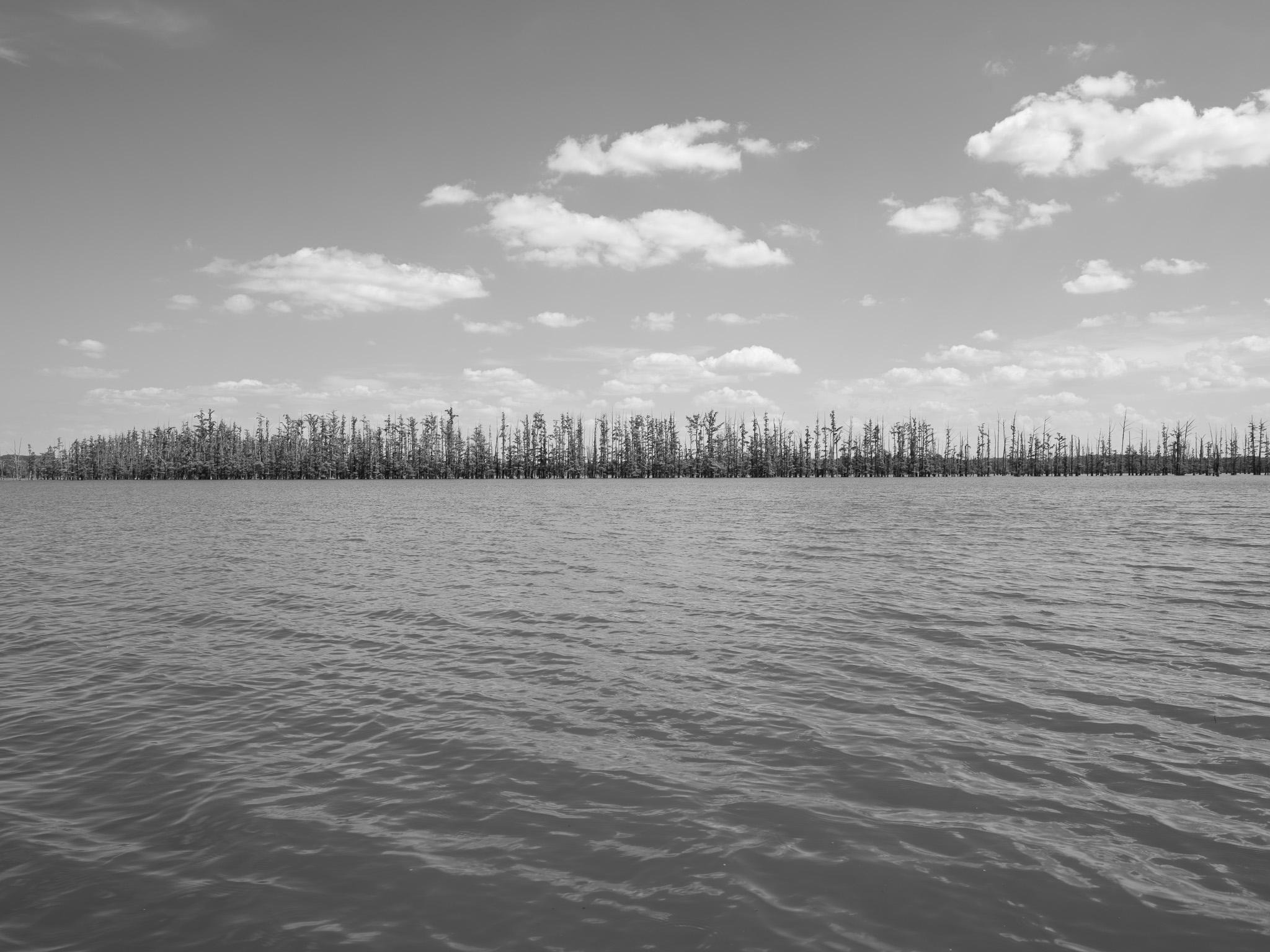
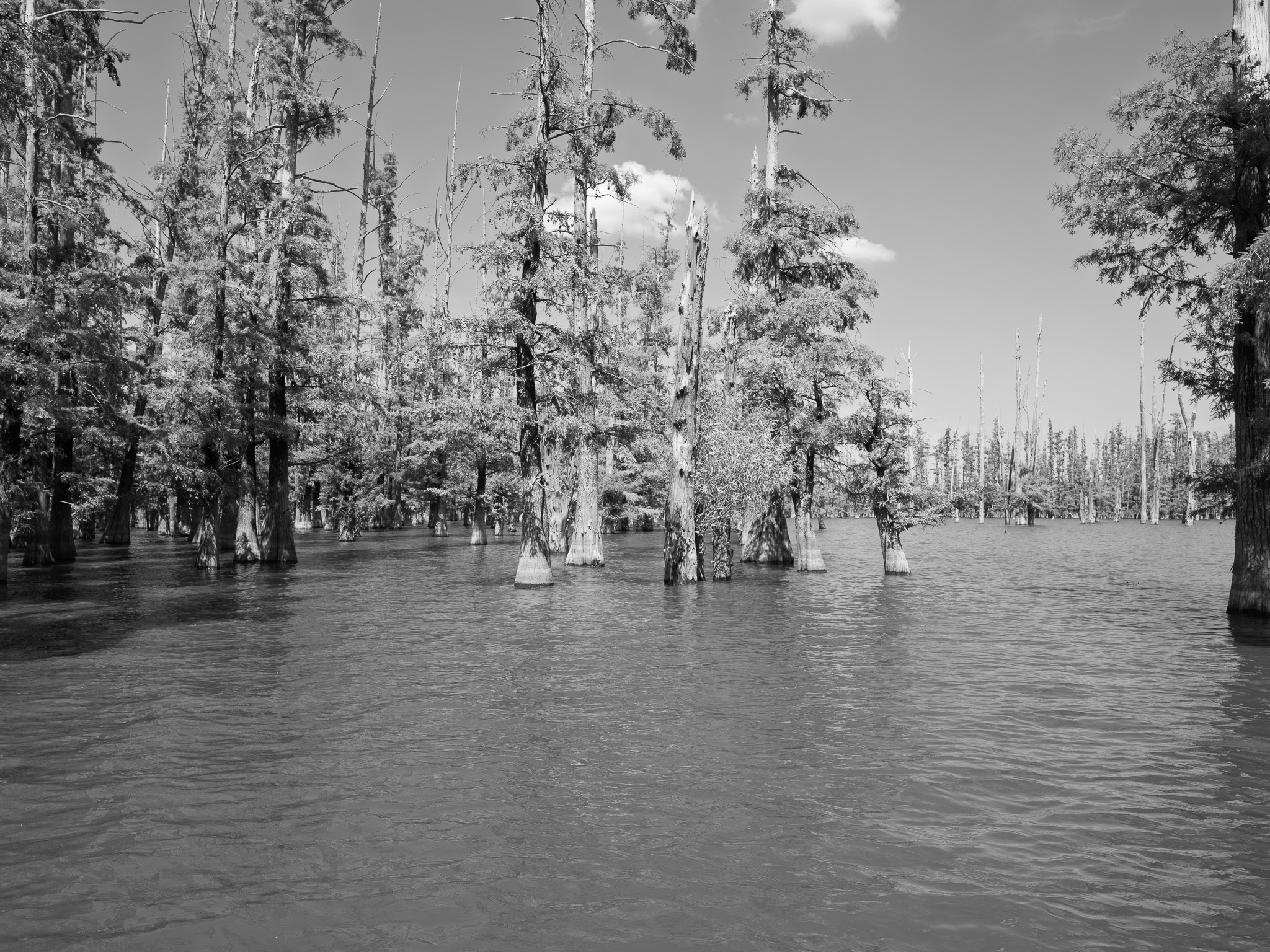
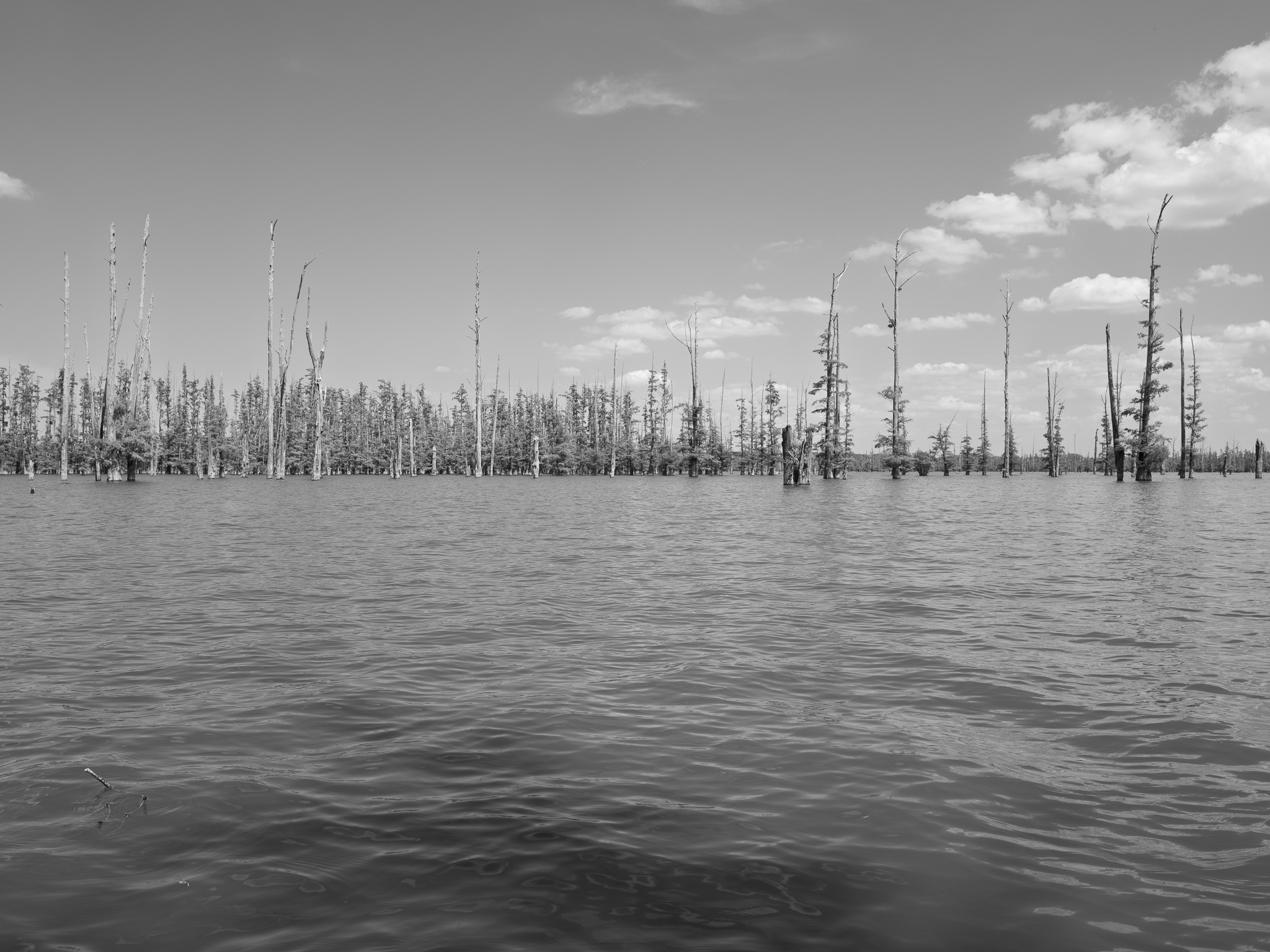
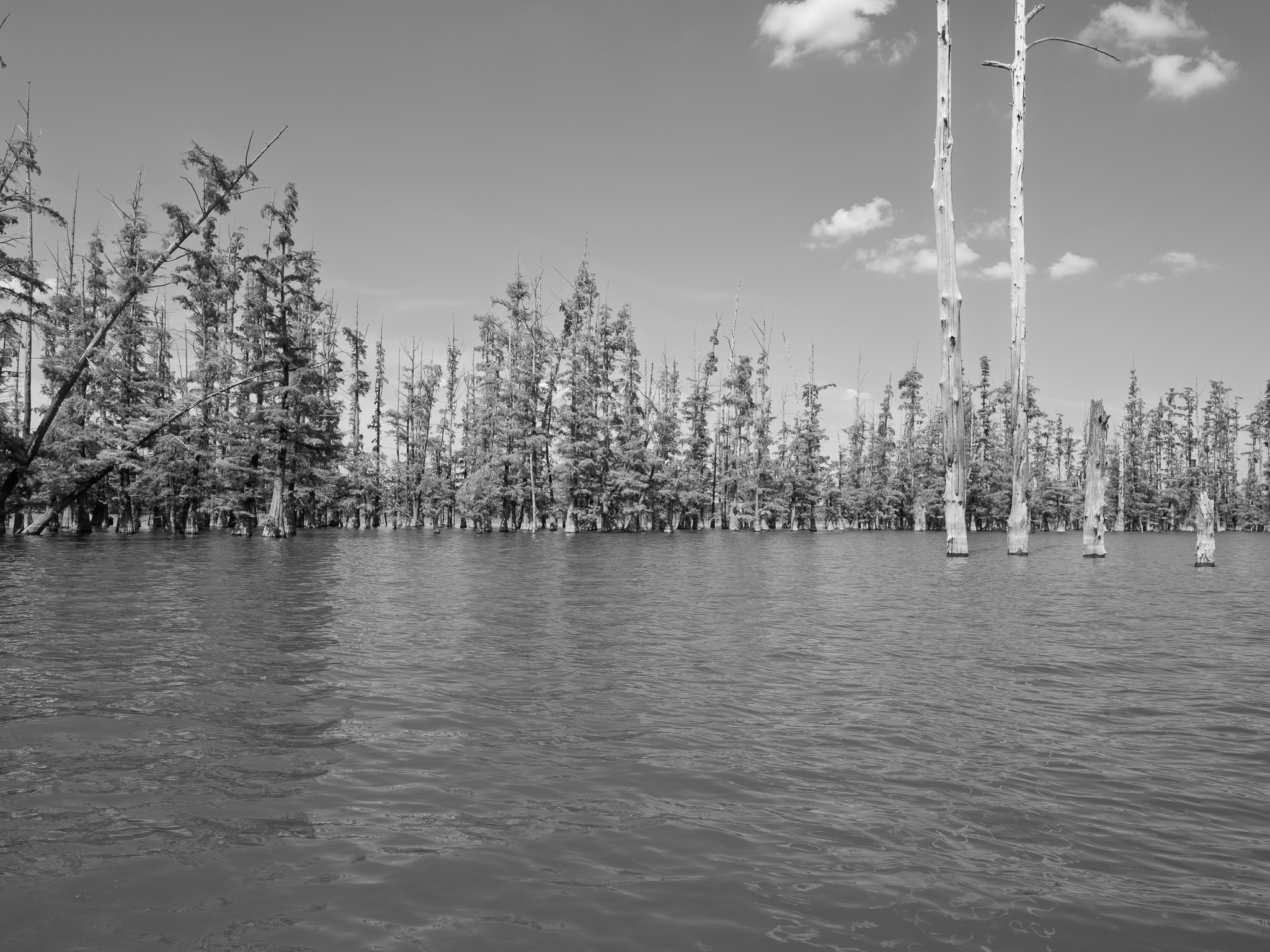
Bottomland hardwood forest and oxbow swamp at the northern edge of the bald cypress range; oak, hickory, and pecan stands adapted to seasonal flooding surround one of Indiana's few naturally occurring bald cypress stands, rising directly from the lake margins.
Hydrology
Hovey Lake is a 1,400-acre oxbow lake cut off from the Ohio River near its confluence with the Wabash, within a floodplain of sloughs and marshes; the property has direct Ohio River boat access.