Displacement & Tenure
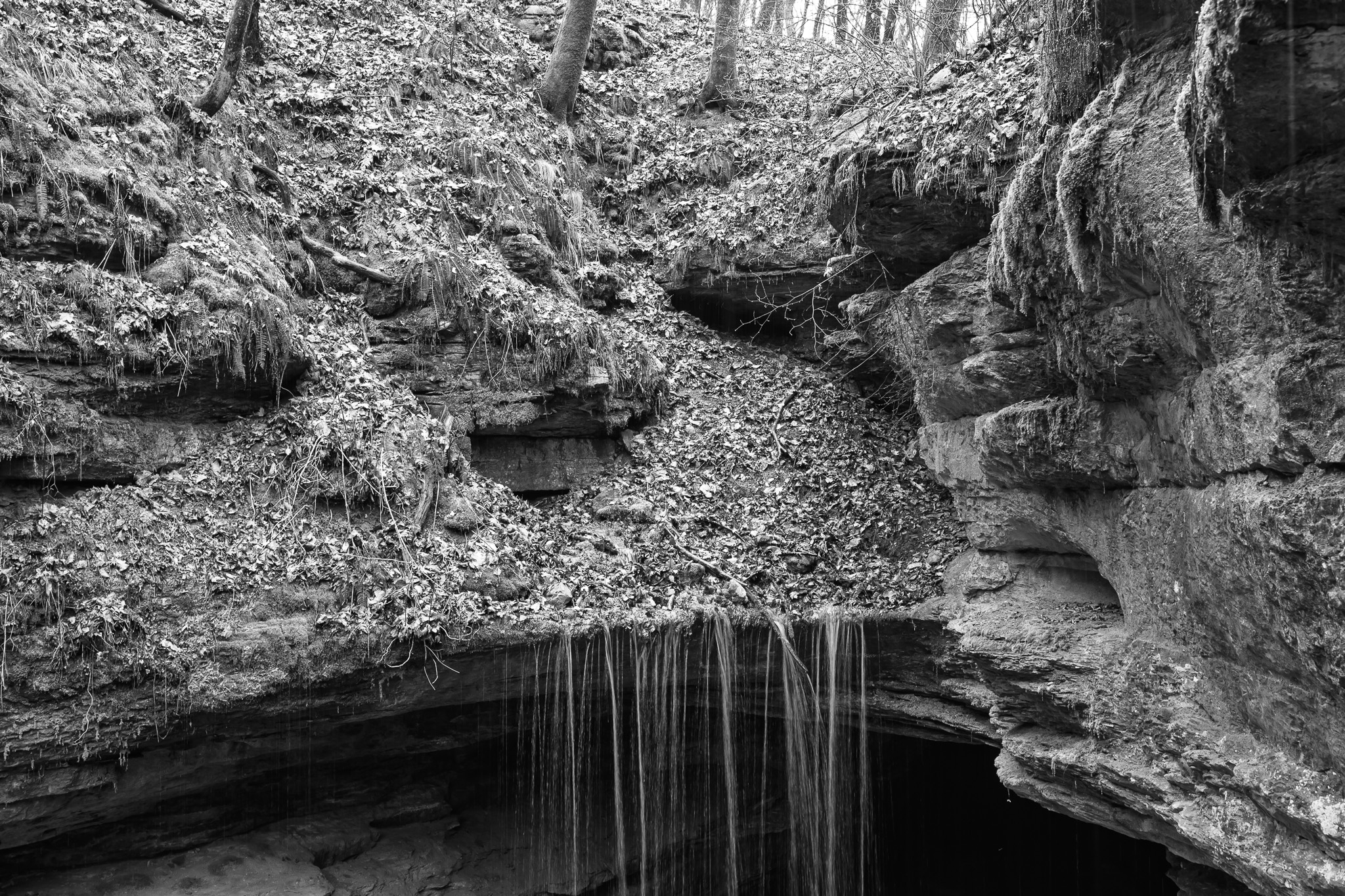
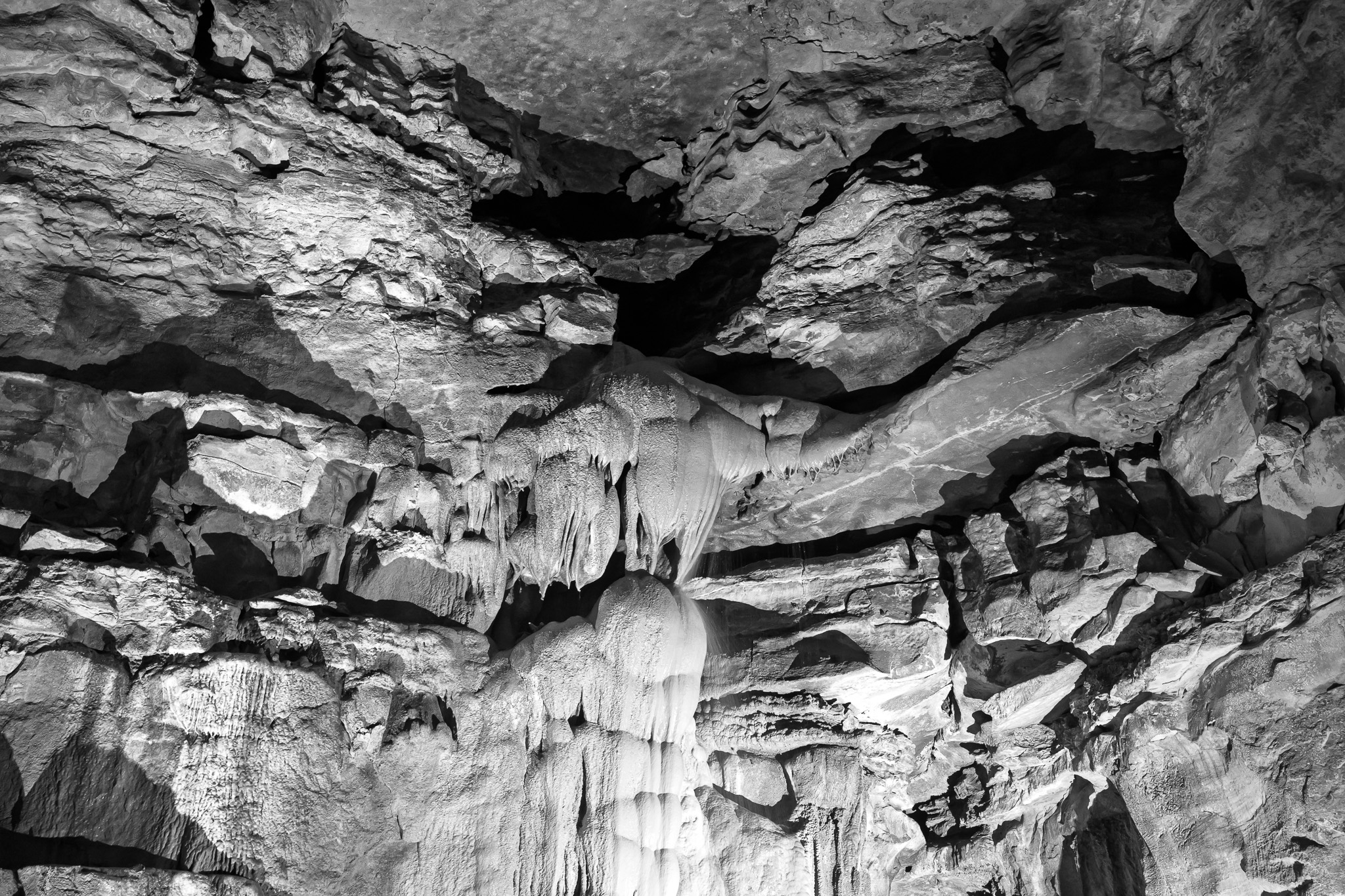
Cherokee, Shawnee, and Yuchi territory; no federal cession treaty identified for this location; saltpeter mined by enslaved African American men, many leased from neighboring states, under ownership of Charles Wilkins and Fleming Gatewood during the War of 1812 era, producing approximately 115,000 pounds of saltpeter in 1814; Stephen Bishop, Mat Bransford, and Nicholas Bransford, all enslaved, served as the cave's primary guides beginning in 1838, mapping its passages and building its national reputation; Congress authorized the park in 1926, triggering eminent domain proceedings against hundreds of farming families; park formally established July 1, 1941.
Shadow History
In 1842, cave owner Dr. John Croghan moved 16 tuberculosis patients into the cave believing its constant temperature would cure consumption; enslaved workers built two stone cottages and eight wooden huts inside the cave; five patients died inside the cave, their bodies laid on what became known as Corpse Rock; Croghan died of tuberculosis in 1849; CCC Company 510, an all-Black company and the first CCC camp established in Kentucky (May 22, 1933), was placed at Mammoth Cave specifically because of its remoteness from white communities; when the Decree of Eminent Domain was issued against 507 families on 54,000 acres, Black families who had lived and worked the land were displaced without provision for resettlement, while white men retained their positions as guides; landowners widely reported receiving below-market compensation, and more than 70 cemeteries remain within park boundaries today; a pre-Columbian man now called Lost John was displayed publicly in the cave until the mid-1970s; a mummified woman known as Fawn Hoof, recovered in 1811, was exhibited at the 1876 and 1893 World's Fairs and transferred to the Smithsonian where the remains are held today.